
Decoding Modern Pop Culture: Navigating the Labyrinth of Fragmentation in the Postmodern Era
Navigating the Postmodern Maze of Cultural Complexity

In the labyrinth of modern pop culture, the echoes of Frederick Jameson's insights about modernism reverberate profoundly. Our contemporary world stands as a testament to the transformation he envisioned: a landscape characterized by individualization, fragmentation, and the interconnection of cultural artifacts. In this intricate tapestry, everything from art to movies and books has transformed into enigmatic puzzles, demanding active engagement and interpretation from those who dare to explore.
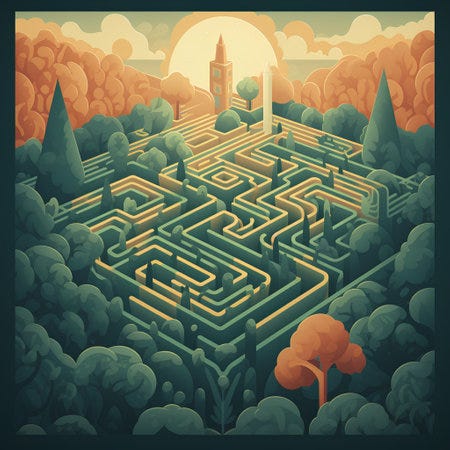
This phenomenon mirrors the core tenets of modernism that Jameson explored. Modernist thought, with its emphasis on fragmented narratives and shattered traditions, sought to redefine established norms, challenging the way we perceive and interact with the world. Today, this spirit lives on in our fragmented cultural landscape, where traditional boundaries have dissolved, giving way to a fluid, ever-evolving tapestry of references and connections.
Take, for instance, the Marvel Cinematic Universe (MCU), a quintessential example of this postmodern complexity. Each film in the MCU serves as a fragment, contributing to a larger narrative tapestry. To fully grasp the depth of an MCU movie, one must embark on a cinematic odyssey, navigating through a series of films, each adding a unique layer to the overarching story. This complexity mirrors the challenge of solving an intricate puzzle; each film, a piece, gains significance when placed within the context of the whole. To comprehend a single fragment, one must comprehend the entire mosaic.
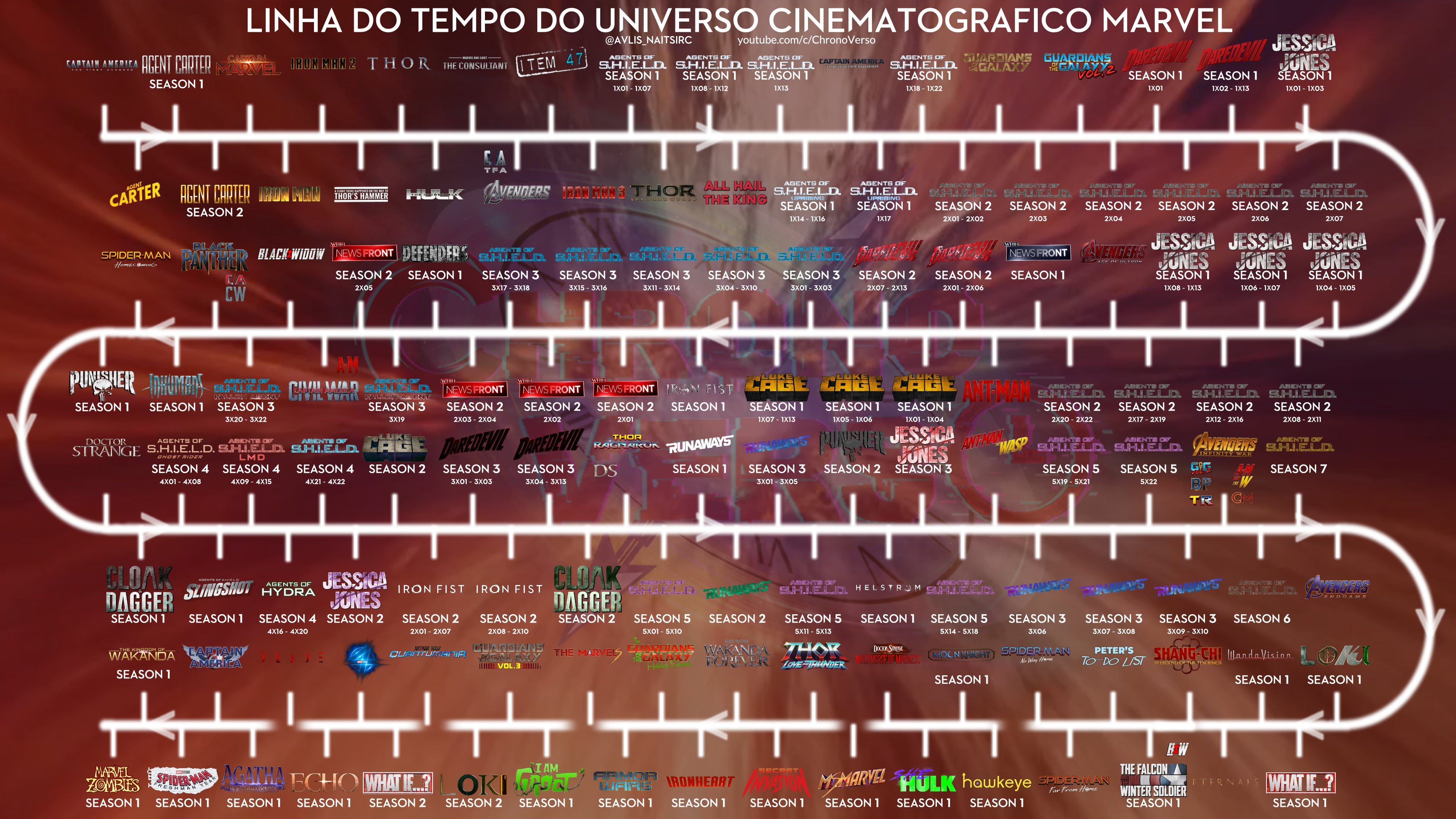
Our engagement with this fragmented culture is riddled with mixed emotions, reminiscent of the emotional ambivalence often associated with modernist works. On one hand, there's an exhilarating sense of discovery as we unearth hidden meanings, detect subtle references, and connect the dots between seemingly unrelated elements. It's a testament to human creativity, offering endless possibilities for interpretation and connection. Yet, on the other hand, this complexity can be overwhelming. The sheer volume of interconnections and references demands an intellectual rigor that can, at times, feel daunting.
Embracing this paradox, we find ourselves on an emotional rollercoaster, akin to the conflicting emotions elicited by modernist art. There's awe in the face of creativity that knows no bounds, frustration in the complexity that challenges our intellect, and fascination in the interconnections that reflect the intricate web of human experience. Our emotional responses, ranging from fascination to frustration, serve as compass points guiding us through this vast and intricate landscape.
In this ongoing journey, our emotions are not just reactions; they are integral parts of the decoding process. The frustration we feel when faced with complexity is a testament to our thirst for understanding. The fascination we experience when discovering connections mirrors the awe-inspiring depth of human creativity. It is within these mixed feelings that the true essence of our cultural experience resides.
As we navigate this labyrinth of fragmentation, let's embrace the challenge and complexity with open minds and open hearts. Let's revel in the mixed emotions, recognizing that within the puzzle-like nature of modern pop culture lies a profound reflection of the intricacies of the human mind and society. Through our interpretations and emotional responses, we not only decipher the cultural artifacts but also gain insights into the multifaceted nature of the world we inhabit. In the end, it is this intricate dance between understanding and bewilderment, fascination and frustration, that defines our journey through the enigmatic landscape of modern pop culture, echoing the essence of modernism in a world profoundly shaped by its ideals.